
Skin inflammation is a common issue that affects millions of people worldwide. It can manifest in various forms, such as redness, swelling, itching, and discomfort, often caused by conditions like acne, eczema, psoriasis, and dermatitis. While traditional treatments like corticosteroids and antihistamines are commonly used, there is growing interest in natural remedies, particularly CBD (cannabidiol), for managing skin inflammation.
CBD, a non-psychoactive compound found in the cannabis plant, has been gaining attention for its potential therapeutic benefits, including its anti-inflammatory properties. In this blog post, we’ll delve into how CBD works to alleviate skin inflammation, the science behind it, and how to incorporate CBD into your skincare routine.
Understanding Skin Inflammation
Before diving into how CBD can help, it’s important to understand what skin inflammation is and why it occurs. Inflammation is the body’s natural response to injury or infection. It’s a protective mechanism designed to eliminate harmful stimuli and initiate the healing process. However, when inflammation becomes chronic, it can lead to various skin conditions and prolonged discomfort.
Common causes of skin inflammation include:
- Infections: Bacterial, viral, or fungal infections can trigger an inflammatory response.
- Allergies: Allergic reactions to certain substances, such as pollen, animal dander, or specific skincare products, can cause inflammation.
- Autoimmune Disorders: Conditions like psoriasis and eczema are autoimmune diseases where the body’s immune system attacks healthy skin cells, leading to chronic inflammation.
- Environmental Factors: Exposure to pollutants, UV rays, and harsh weather conditions can also contribute to skin inflammation.
The Role of CBD in Skin Inflammation
CBD has gained popularity for its potential to reduce inflammation in various parts of the body, including the skin. But how does it work?
1. Interaction with the Endocannabinoid System (ECS)
The endocannabinoid system (ECS) is a complex network of receptors and neurotransmitters found throughout the body, including the skin. The ECS plays a crucial role in regulating various physiological processes, such as immune response, pain sensation, and inflammation.
CBD interacts with the ECS by binding to cannabinoid receptors (CB1 and CB2) found in the skin. While CB1 receptors are primarily located in the nervous system, CB2 receptors are predominantly found in the immune system and skin cells. When CBD binds to these receptors, it can modulate the immune response and reduce inflammation.
2. Anti-Inflammatory Properties
Several studies have shown that CBD has potent anti-inflammatory properties. It works by inhibiting the production of pro-inflammatory cytokines, which are signaling molecules that play a key role in the inflammatory process. By reducing cytokine production, CBD can help alleviate the redness, swelling, and discomfort associated with skin inflammation.
3. Antioxidant Effects
In addition to its anti-inflammatory properties, CBD is also a powerful antioxidant. Antioxidants help neutralize free radicals, which are unstable molecules that can damage cells and contribute to inflammation and aging. By protecting skin cells from oxidative stress, CBD can further reduce inflammation and promote healthier skin.
4. Sebum Regulation
For individuals with acne, which is often associated with inflammation, CBD may offer additional benefits by regulating sebum production. Sebum is an oily substance produced by the sebaceous glands in the skin. While sebum helps keep the skin hydrated, excessive production can lead to clogged pores and acne. CBD has been shown to reduce sebum production, which can help prevent acne and the inflammation associated with it.
Scientific Evidence Supporting CBD for Skin Inflammation
The potential benefits of CBD for skin inflammation are supported by a growing body of scientific research. Here are some key studies that highlight the effectiveness of CBD in managing skin inflammation:
- A 2014 study published in the Journal of Clinical Investigation found that CBD could reduce sebum production and exert anti-inflammatory effects on human sebocytes (cells that produce sebum). The researchers concluded that CBD might be a promising therapeutic agent for the treatment of acne vulgaris.
- A 2016 review published in Experimental Dermatology explored the potential of cannabinoids, including CBD, in treating skin inflammation. The authors noted that cannabinoids could influence various inflammatory pathways in the skin and suggested that they might be useful in treating conditions like psoriasis and eczema.
- A 2019 study published in the Journal of Dermatological Science examined the effects of CBD on human skin cells. The researchers found that CBD could inhibit the proliferation of keratinocytes (skin cells) and reduce inflammation, making it a potential treatment for inflammatory skin conditions like psoriasis.
- A 2020 clinical trial investigated the use of a CBD-enriched ointment for patients with inflammatory skin diseases. The study found that the ointment significantly improved skin hydration and elasticity while reducing inflammation and other symptoms of skin disorders.
How to Use CBD for Skin Inflammation
If you’re considering using CBD to manage skin inflammation, there are several ways to incorporate it into your skincare routine. Here’s how you can get started:
1. Topical CBD Products
Topical CBD products, such as creams, balms, and lotions, are the most common way to use CBD for skin inflammation. These products are applied directly to the affected area, allowing CBD to penetrate the skin and target inflammation locally.
When choosing a topical CBD product, consider the following:
- CBD Concentration: Look for products with a higher concentration of CBD for more potent anti-inflammatory effects. Products typically range from 100 mg to 1000 mg of CBD per container.
- Full-Spectrum vs. Isolate: Full-spectrum CBD products contain other cannabinoids and terpenes that may enhance the anti-inflammatory effects of CBD. Isolate products contain only CBD. Choose the type that best suits your needs.
- Carrier Ingredients: Check the ingredient list for other beneficial ingredients like aloe vera, shea butter, and essential oils that can soothe and nourish the skin.
2. CBD Oils and Tinctures
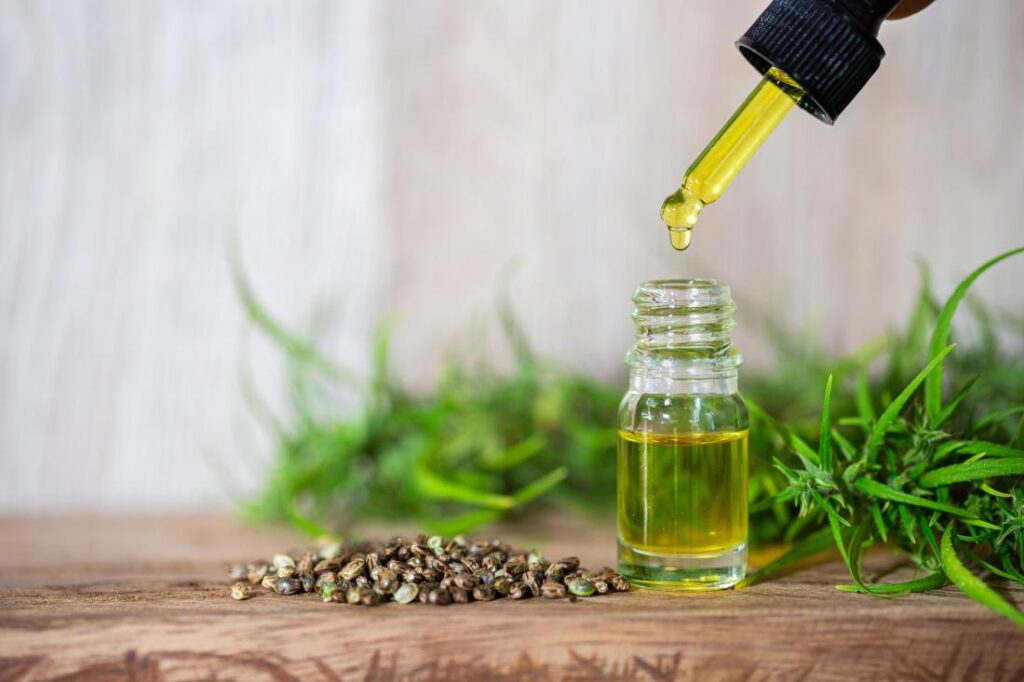
CBD oils and tinctures can also be used to manage skin inflammation. These products are typically taken sublingually (under the tongue), allowing CBD to enter the bloodstream and exert its anti-inflammatory effects systemically.
For skin inflammation, you can also mix a few drops of CBD oil with your favorite moisturizer and apply it directly to the skin. This method allows you to combine the benefits of CBD with the hydrating properties of your regular skincare products.
3. CBD Bath Products
CBD bath products, such as bath bombs and bath salts, offer a relaxing way to treat skin inflammation. When added to a warm bath, these products allow CBD to be absorbed through the skin, providing relief from inflammation while promoting relaxation.
4. Oral CBD Supplements
For more severe or widespread skin inflammation, oral CBD supplements, such as capsules or edibles, may be beneficial. These products deliver CBD throughout the body, potentially reducing systemic inflammation that contributes to skin conditions.
5. Patch Testing
Before applying any new CBD product to your skin, it’s important to perform a patch test to check for any potential allergic reactions. Apply a small amount of the product to a small area of your skin and wait 24 hours to see if any irritation occurs.
Potential Side Effects and Considerations
While CBD is generally well-tolerated, it’s important to be aware of potential side effects and considerations:
- Skin Irritation: Although rare, some individuals may experience skin irritation or allergic reactions to CBD or other ingredients in topical products. Always perform a patch test before full application.
- Drug Interactions: If you’re taking other medications, especially those metabolized by the liver, consult with a healthcare provider before using CBD, as it may interact with certain drugs.
- Quality and Purity: Ensure that you’re using high-quality CBD products from reputable sources. Look for products that have been third-party tested for purity and potency.
- Dosage: Start with a low concentration of CBD and gradually increase the dosage until you find the amount that works best for you. Everyone’s body responds differently to CBD, so it may take some experimentation to determine the right dose.
Read Also : CBD for Dogs: A Guide to Benefits and Usage
Conclusion
CBD has emerged as a promising natural remedy for managing skin inflammation, thanks to its anti-inflammatory, antioxidant, and sebum-regulating properties. Whether you’re dealing with acne, eczema, psoriasis, or other inflammatory skin conditions, incorporating CBD into your skincare routine may provide relief and improve your overall skin health.
As with any new treatment, it’s important to do your research and consult with a healthcare provider if you have any concerns. By understanding how CBD works and how to use it effectively, you can take advantage of its potential benefits and enjoy healthier, more comfortable skin.
Whether you choose to use topical CBD products, oils, or bath products, there are plenty of options available to help you manage skin inflammation naturally and effectively. As more research emerges, CBD may continue to play a significant role in the future of skincare and holistic wellness.