
Food cravings can appear out of nowhere—whether it’s the urge for something sweet late at night or the need for salty snacks during a stressful day. As people explore natural ways to balance appetite, CBD oil has become a popular option. But can CBD really help control cravings naturally? Let’s explore how it works, what science says, and how to use it safely.
Understanding Food Cravings and Why They Happen
Food cravings are not just about hunger. They often stem from emotional, hormonal, or lifestyle factors that influence the brain’s reward system.
When you crave certain foods, your brain is responding to triggers such as stress, lack of sleep, hormonal changes, or even habits you’ve built over time.
In many cases, cravings appear because of imbalances in the body’s stress response or mood-regulating chemicals. This is where CBD oil enters the conversation, thanks to its effects on the body’s endocannabinoid system.
How CBD Oil Interacts With the Body’s Endocannabinoid System
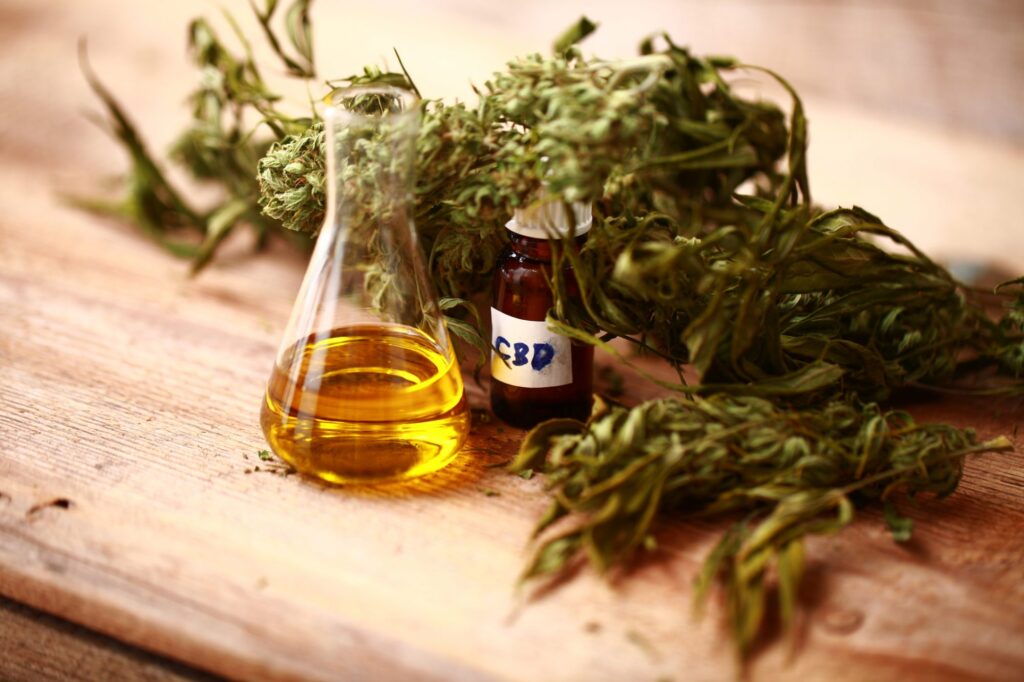
CBD interacts with the endocannabinoid system (ECS), a network in the body that helps maintain balance in mood, appetite, sleep, inflammation, and stress.
While THC is known to increase hunger, CBD works differently. It does not produce a “munchies” effect. Instead, CBD supports the ECS in regulating appetite signals more naturally.
The ECS plays a role in controlling digestive processes, metabolism, and cravings. Because CBD can influence this system, it may help some people manage their appetite more effectively.
Does CBD Oil Reduce Food Cravings? What Research Suggests
CBD doesn’t suppress appetite directly, but it may reduce cravings by influencing the root causes behind them.
CBD May Help Reduce Stress-Related Eating
Many people experience emotional eating when they feel overwhelmed or anxious. CBD has been shown to help lower stress levels by interacting with serotonin receptors in the brain.
When stress goes down, emotional cravings often become easier to manage.
CBD May Support Better Sleep and Hormonal Balance
Poor sleep is a major trigger for cravings. It increases ghrelin (the hunger hormone) and lowers leptin (the fullness hormone). CBD may improve sleep quality, which supports balanced hunger signals throughout the day.
CBD May Improve Blood Sugar Regulation
Stable blood sugar levels reduce sudden cravings for sugary or high-carb foods. Some studies suggest CBD may support insulin sensitivity and inflammatory balance, both of which influence appetite.
CBD May Help Reduce Addictive Behaviors
Emerging research shows CBD may reduce addictive cravings—such as nicotine or alcohol. Although food cravings are different, they share similar pathways in the brain’s reward system.
This suggests CBD may help people develop more control over intense snack cravings.
CBD Oil for Appetite Control vs THC for Hunger
It’s important to understand that CBD and THC have opposite effects on appetite.
CBD: Helps Normalize Appetite
CBD supports balance, which may help reduce cravings, emotional eating, or over-snacking.
THC: Stimulates Hunger
THC increases appetite and is commonly used for conditions where patients need to gain weight.
Anyone using CBD for appetite control should choose CBD isolate or broad-spectrum CBD, which contains no THC.
Best Ways to Use CBD Oil for Controlling Food Cravings
Different CBD products offer different results. Choosing the right form matters if your goal is to manage appetite naturally.
Sublingual CBD Oil for Fast Relief
CBD oil taken under the tongue works quickly and is ideal for managing sudden or stress-triggered cravings.
CBD Gummies for Longer-Lasting Effects
Gummies take longer to work but provide steady effects for several hours, which may help with daily appetite balance.
CBD Capsules for Consistent Daily Use
Capsules are great for maintaining a routine and supporting overall stress, sleep, and hormonal health.
How Much CBD Should You Take for Food Cravings?
There is no universal dose, but most people start with:
- 10–20 mg per day for mild cravings
- 20–40 mg per day for stress-related or emotional eating
- 40–60 mg per day for more intense or frequent cravings
It’s best to begin with a small dose and increase slowly as your body adjusts.
Who Should Not Use CBD for Appetite Control?
CBD is generally safe, but it may not be suitable for everyone.
Avoid or consult a doctor if:
- You are pregnant or breastfeeding
- You take prescription medications
- You have a liver condition
- You experience unexpected changes in weight or appetite
CBD may also interact with supplements or appetite-related medications, so getting medical advice is important.
Possible Side Effects of CBD
While CBD is well tolerated, mild side effects can occur, especially at higher doses.
These include:
- Dry mouth
- Drowsiness
- Changes in appetite
- Digestive discomfort
- Interaction with certain medications
Reducing the dose often helps if you notice any unwanted effects.
Tips to Use CBD as Part of a Healthy Routine
CBD works best when combined with supportive habits that stabilize appetite.
Try pairing CBD with:
- A balanced eating schedule
- Adequate sleep
- Stress-reduction practices
- Regular hydration
- Exercise or outdoor activity
CBD is not a magic weight-loss solution but can be part of a healthier lifestyle that reduces unnecessary cravings.
Is CBD Oil a Proven Solution for Food Cravings?
While research is still developing, early evidence suggests CBD may help people naturally regulate appetite by:
- Reducing stress
- Supporting better sleep
- Balancing hormones
- Improving mood
- Stabilizing blood sugar
These effects indirectly make cravings easier to manage.
CBD won’t eliminate cravings completely, but it may help you feel more in control of your eating patterns.
Read Also : How CBD Oil Can Boost Your Immune System and Overall Health
Conclusion
CBD oil shows promising potential for managing food cravings naturally. Instead of suppressing appetite directly, CBD works by balancing the body’s internal systems—reducing stress, improving sleep, and supporting stable blood sugar levels. All of these factors contribute to healthier appetite control.
If you’re seeking a natural way to reduce emotional snacking, nighttime cravings, or stress-related eating, CBD oil may be a helpful addition to your routine. Start with a low dose, choose high-quality CBD, and combine it with healthy daily habits for best results.
CBD isn’t a quick fix, but it can be a powerful tool for supporting long-term appetite balance.