
CBD oil has become a buzzword in wellness circles, but it’s also surrounded by confusion and misinformation. In this article, we’ll unravel some of the most common myths about CBD oil and provide the facts you need to make informed decisions. Whether you’re a curious newcomer or a regular user, this guide will help clarify what CBD can—and cannot—do.
Understanding CBD Oil
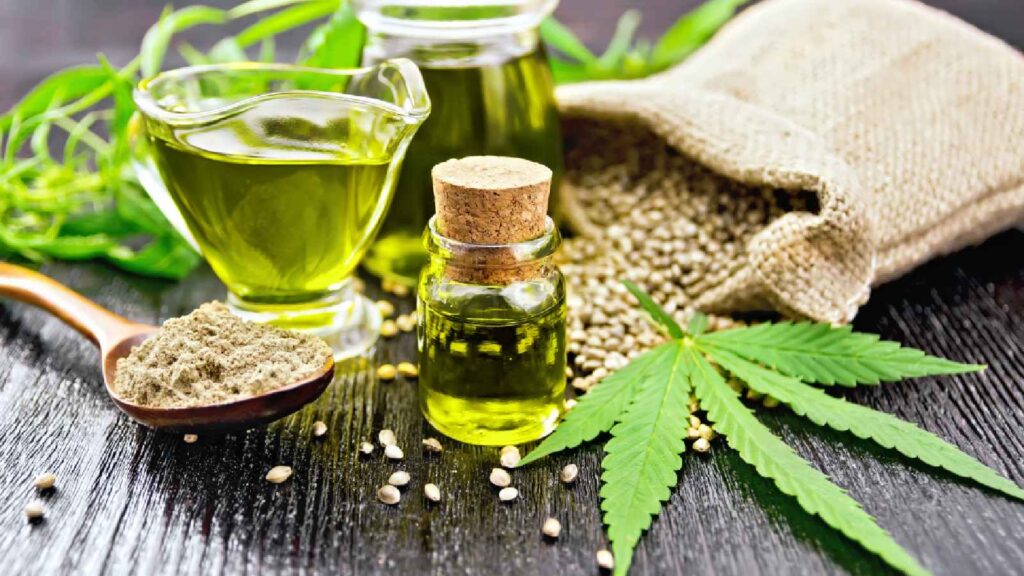
Before diving into the myths, it’s important to understand what CBD oil is. CBD, or cannabidiol, is a natural compound found in the cannabis plant. Unlike THC, it doesn’t produce a “high.” CBD oil is typically extracted from hemp and used for its potential therapeutic benefits.
Myth #1: CBD Gets You High
One of the most persistent myths is that CBD oil will make you feel intoxicated or high. This misunderstanding often stems from its association with marijuana.
The Truth
CBD is non-psychoactive, meaning it does not produce a euphoric sensation like THC. Most CBD oils are derived from industrial hemp, which contains less than 0.3% THC, making it impossible to get high from standard CBD products.
Why the Confusion Exists
The confusion arises because CBD and THC both come from the cannabis plant. However, they interact differently with the body’s endocannabinoid system, which is why their effects vary so greatly.
Myth #2: All CBD Products Are the Same
Many consumers assume that all CBD oils on the market are created equal, but that’s far from the truth.
The Truth
There are significant differences in quality, potency, and extraction methods. Some products contain harmful additives or insufficient levels of CBD. It’s important to check third-party lab reports and verify product ingredients before purchasing.
Types of CBD
- Full-spectrum: Contains all cannabinoids, including trace THC.
- Broad-spectrum: THC-free but includes other cannabinoids.
- CBD isolate: Pure CBD with no other plant compounds.
Myth #3: CBD Works Instantly
Some believe that CBD provides instant relief from anxiety, pain, or insomnia. While that would be convenient, it’s not entirely accurate.
The Truth
CBD doesn’t work like a pharmaceutical drug that offers immediate effects. It often takes time to build up in your system, and its impact can vary depending on factors like dosage, body chemistry, and form of administration.
Forms and Absorption Rates
- Tinctures and oils: Usually take effect in 15–45 minutes.
- Edibles: Can take 1–2 hours to digest and enter the bloodstream.
- Topicals: Work locally and may take longer to feel effects.
Myth #4: More CBD Means Better Results
It’s tempting to think that taking a higher dose of CBD will yield better outcomes, but this is not always true.
The Truth
CBD follows a “bell-shaped dose-response curve,” meaning there’s an optimal dose range for each individual. Too little or too much can reduce its effectiveness. Finding the right dose requires some experimentation and often a bit of patience.
Tips for Finding Your Dose
- Start low (5–10 mg) and gradually increase.
- Monitor how your body responds.
- Consult a healthcare provider for personalized advice.
Myth #5: CBD Is a Cure-All
With so much hype, it’s easy to believe that CBD is a miracle remedy for every health issue. However, such claims should be viewed with skepticism.
The Truth
While research shows promise for conditions like anxiety, chronic pain, and epilepsy, CBD is not a magic bullet. It can support wellness, but it should not replace prescribed medical treatments unless advised by a healthcare professional.
What Science Supports
- Approved by FDA: Epidiolex, a CBD-based drug, for epilepsy.
- Promising research: For anxiety, inflammation, and sleep disorders.
- Limited evidence: In areas like cancer, heart disease, or addiction recovery.
Myth #6: CBD Has No Side Effects
Some marketing claims make CBD sound completely risk-free, but like any supplement, it can have side effects for certain individuals.
The Truth
CBD is generally well-tolerated, but some users may experience mild side effects such as dry mouth, fatigue, diarrhea, or changes in appetite. It may also interact with medications like blood thinners.
Safety Considerations
- Always consult your doctor before starting CBD.
- Avoid using it with medications that have a grapefruit warning.
- Choose reputable brands with transparent testing practices.
How to Identify Misinformation
As with any wellness trend, misinformation about CBD spreads fast—especially online and through social media.
What to Watch Out For
- Overblown claims: If it sounds too good to be true, it probably is.
- Lack of lab reports: Reputable CBD brands offer third-party testing.
- No clear sourcing: High-quality CBD comes from organic, U.S.-grown hemp.
Stay Informed
Trust reliable sources like peer-reviewed research, government health websites, and certified healthcare providers when researching CBD.
Read Also : Full-Spectrum vs. Broad-Spectrum CBD Oil: Which Is Right for You?
Final Thoughts
CBD oil has a lot to offer, but separating fact from fiction is crucial in the AI-driven age of viral health trends. Instead of getting caught up in myths, use verified information to make informed choices that suit your wellness journey.